
Store Accounts You Can Get with a Low Credit Score in 2025
In 2025, having a low credit score (typically below 580 on the FICO scale) doesn’t mean you’re shut out from building or accessing credit through retail store accounts. Many retailers offer store credit cards (also called retail or private-label cards) designed with more lenient approval criteria than general-purpose credit cards. These can be a valuable tool for rebuilding credit when used responsibly.
Related read: How to Increase Your Capitec Credit Score Fast
This comprehensive guide covers the best store accounts available for low credit scores, how they work, pros and cons, and tips to improve your approval odds and credit health.
What Is a Low Credit Score?
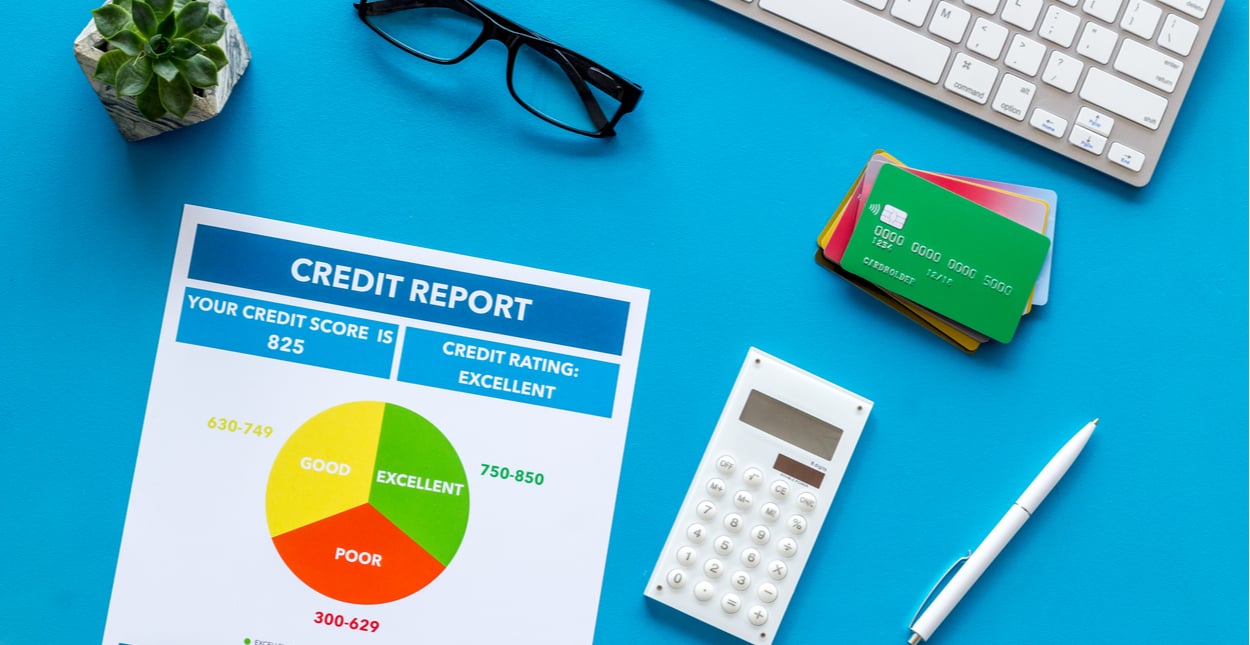
A “low” or “bad” credit score generally falls in the poor range:
- FICO Score: 300–579
- VantageScore: 300–600
Scores in this range often result from past missed payments, high debt, or limited credit history. Traditional credit cards from major banks usually require fair (580–669) or good (670+) credit, but store cards are more accessible.
Related read: Cheapest Funeral Policies in South Africa for Families in 2025: A Complete Guide
Why Store Credit Cards Are Easier to Get with Low Credit
Retailers issue store cards to encourage loyalty and spending in their stores. To minimize risk, they often:
- Offer lower initial credit limits
- Charge higher interest rates (often 25–30% APR)
- Limit use to their brand (closed-loop cards)
These factors make approvals easier for applicants with low scores. Many report payment activity to the three major credit bureaus (Equifax, Experian, TransUnion), helping you build credit over time.
Top Store Accounts for Low Credit Scores in 2025
Here are some of the most accessible store credit accounts based on approval reports and expert reviews. Approval is never guaranteed, but these frequently accept scores in the 500–580 range or lower.
- Montgomery Ward Credit Account
- Often cited as one of the easiest store cards for bad credit.
- $0 annual fee.
- Reports to major bureaus.
- Online/catalog retailer (home goods, electronics, apparel).
- Approval possible with scores as low as 500.
- Amazon Prime Secured Credit Card
- Secured card (requires $100+ deposit, which becomes your limit).
- Earns 2% back at Amazon/Whole Foods (with Prime membership).
- No annual fee for the card (Prime membership required for rewards).
- Great for building credit; potential upgrade to unsecured after responsible use.
- Fingerhut Credit Account
- Catalog/online retailer with flexible approval.
- Often approves bad credit; has a “FreshStart” program for gradual approval.
- Reports to bureaus.
- Higher prices on items, but useful for rebuilding.
- Other Notable Options:
- JCPenney Credit Card → Known for lenient approvals.
- Firestone Credit Card → Automotive; accepts low scores, even post-bankruptcy in some cases.
- Catalog cards like Stoneberry or Gettington (similar to Fingerhut).
Note: Many traditional department store cards (e.g., Kohl’s, Target, Macy’s) now require at least fair credit (640+). Avoid applying to multiple cards at once, as hard inquiries can temporarily lower your score.
Related read: Best Loan Apps That Actually Approve Fast in South Africa
Pros and Cons of Store Cards with Low Credit Requirements
Pros
- Easier approval than major credit cards.
- Help rebuild credit with on-time payments and low utilization.
- Store discounts, rewards, or deferred interest promotions.
- Often $0 annual fee.
Cons
- High APRs (25–30%+ ) – avoid carrying balances.
- Low credit limits (can hurt utilization ratio).
- Limited to one retailer (closed-loop).
- Temptation to overspend.
How to Get Approved for a Store Account with Low Credit
- Check your credit reports for errors (free at AnnualCreditReport.com).
- Pre-qualify if offered (soft inquiry, no score impact).
- Shop where you already spend – shows loyalty.
- Consider secured versions for higher approval odds.
- Have steady income (lenders check this).
Tips to Build Credit with Your Store Account
- Pay on time every month (35% of your FICO score).
- Keep utilization under 30% (pay early if needed).
- Make small purchases and pay in full.
- Monitor progress with free tools (many cards offer score access).
- After 6–12 months of good habits, you may qualify for better cards.
Store accounts can be a smart stepping stone if your credit score is low. Choose one from a retailer you frequent, use it wisely, and watch your score improve. Always read terms carefully and avoid debt you can’t repay quickly.
Last updated: December 2025. Credit offers change frequently – verify current details with issuers.